
By Matthew Hernandez
A neighborhood’s heart can’t be built by blueprints alone
In West Palm Beach lately, I’ve been hearing a common refrain from neighbors, longtime and new alike: there’s too much change, too fast—and not enough say in how it’s happening. High-rises climb, traffic worsens, and the architecture grows taller. But what’s at risk is the city’s character and residents’ trust in the planning process.
Development booming, voices shrinking?
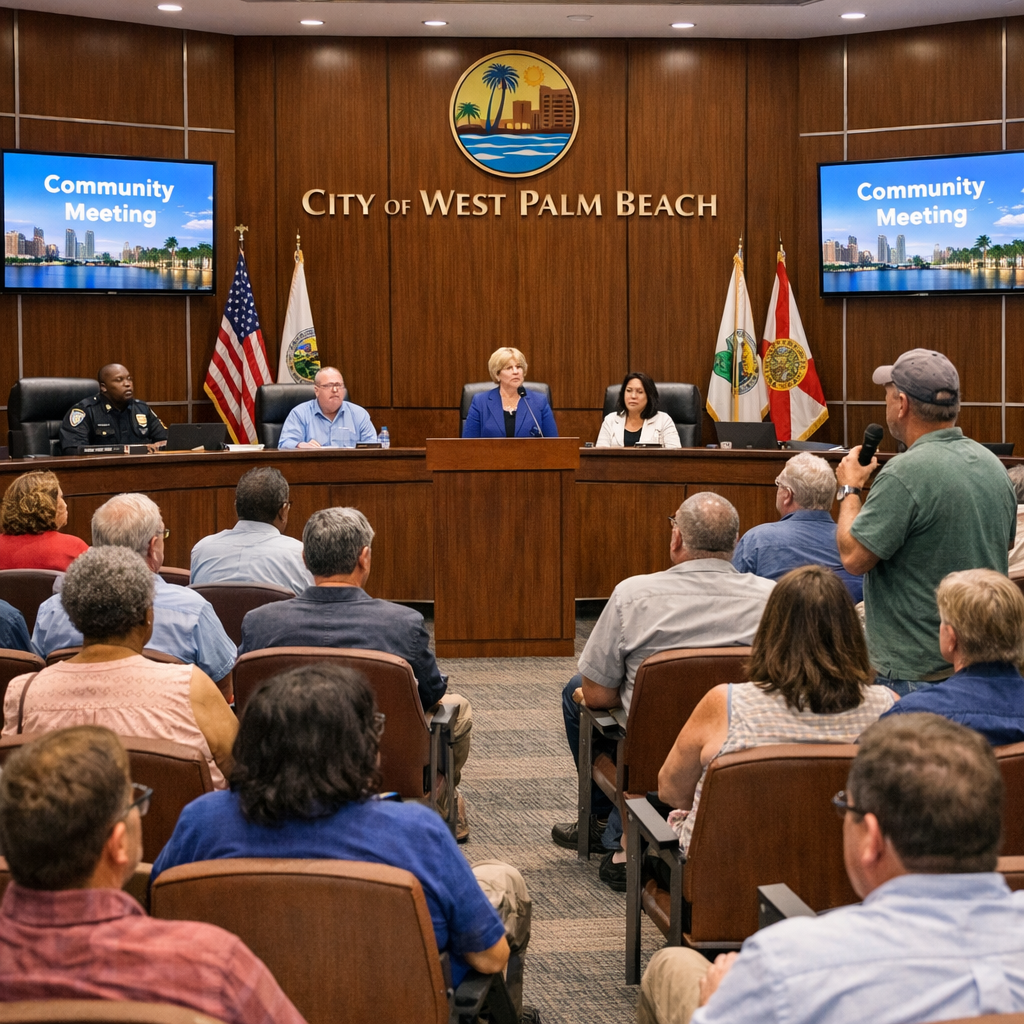
The Downtown Master Plan has become something of a flashpoint. Community groups, neighborhood leaders, and thousands of residents are pushed to the edge, urging city leaders to slow down and prioritize infrastructure over unchecked growth. The worry? Our roads, services, and neighborhood roots can’t always keep up. Many feel that decisions are being made in city hall instead of living rooms—without enough transparency or dialogue. However well meaning, large-scale construction can feel like it’s being imposed, rather than shaped by locals.
The cost of speed
Think of narrow brick-paved streets in our historic districts flanked by towering new buildings that cast shadows not just on homes, but on heritage. Parking vanishes. Noise grows. What once felt walkable becomes congested. Residents report feeling squeezed out—not just by development but by timing. Applications for tall waterfront buildings, zoning variances, even city meetings, all seem to happen more quickly than many expect and often without broad neighborhood input.
Finding that missing sense of belonging
Being heard doesn’t just translate to signing a petition. It means meaningful seats at planning tables. It means timing public meetings so people who work can attend. It means developers, planners, and elected officials who listen before deadlines. A downtown project is not just about economics, it’s about people’s lives: where children walk to school, families walk past historic homes, elders remember what the skyline used to look like.
A path forward rooted in respect and collaboration
Here are ways we can uphold community power:
- Resident-led coalitions: When people organize—as with “Save West Palm Beach”—they can raise concerns about development scale and push for rules that protect neighborhood character.
- Transparent planning processes: Notices, clear agendas, and accessible documentation help. When city staff share proposed plans early and engage with those directly impacted, understanding follows—and trust does too.
- Zoning limits not variances: When new rules preserve height, style, setbacks, and view corridors, developers know what to expect—reducing surprises that disrupt neighborhoods.
- Infrastructure matched to growth: Roads, public transit, green spaces, and schools should be considered and funded before or alongside new taller buildings.
- Celebrate history alongside growth: Our historic districts, old districts, and diverse communities aren’t relics. They are living frameworks that anchor us. Growth built around them—not in spite of them—keeps West Palm Beach unique.
When growth picks up speed without community input, it silences the stories and experiences that made West Palm Beach home. But when voices are included, we all get to share in defining what home becomes next. As residents, we deserve to be heard—not just as a footnote—but as the authors of our city’s next chapter.