

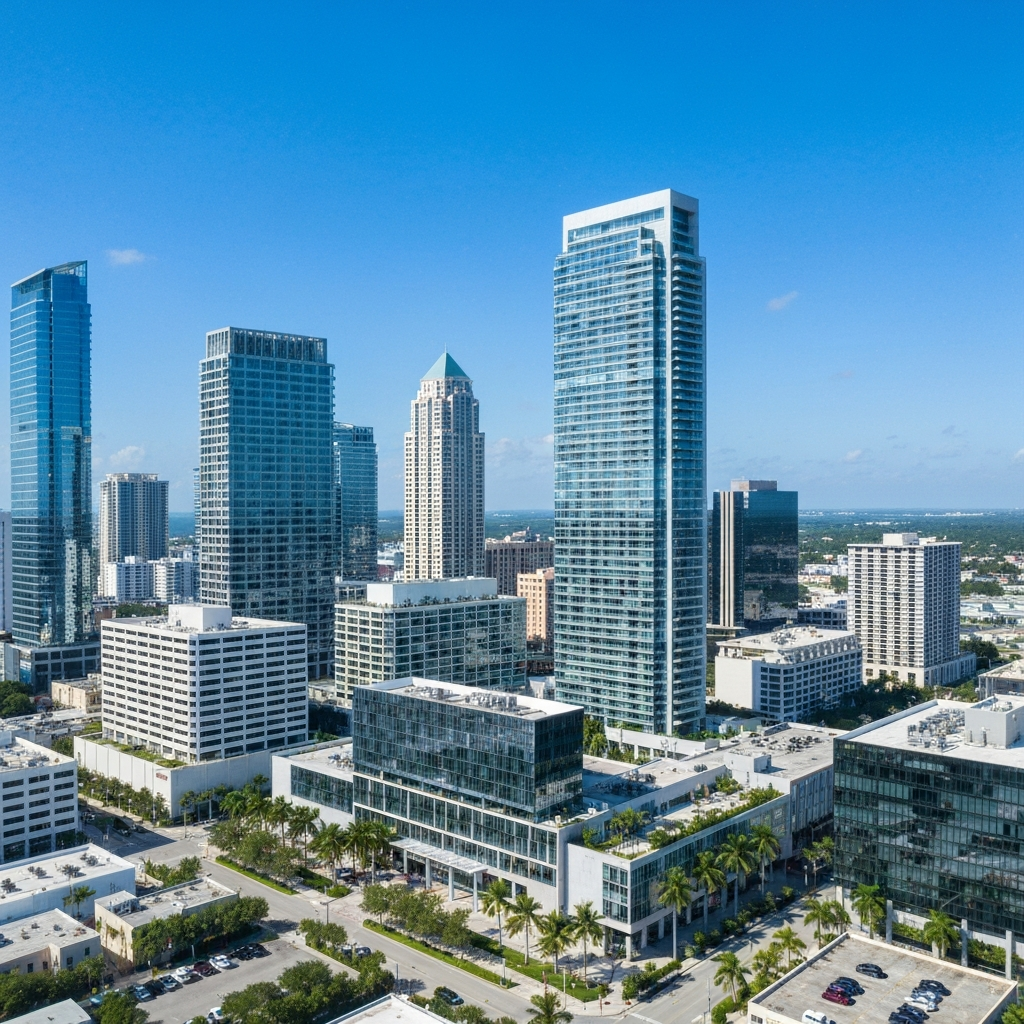
West Palm Beach, traditionally known for its picturesque beaches and vibrant tourism, is experiencing a significant transformation influenced by national economic policies. This shift is evident in the city’s evolving business environment, infrastructure developments, and demographic changes.
Tech Industry Expansion
A notable example of this transformation is the recent expansion of ServiceNow, a leading enterprise software company. With a $17 million investment, ServiceNow has established a substantial presence in downtown West Palm Beach, occupying 200,000 square feet at 10 CityPlace. This move is projected to create over 850 high-wage jobs, averaging $170,000 annually, and generate an estimated $1.8 to $2 billion in regional economic impact by 2030. Such developments underscore the city’s growing appeal to tech firms seeking favorable business climates and skilled workforces.
Financial Sector Growth
Complementing the tech boom, the financial sector in West Palm Beach is also on the rise. The city’s strategic location, combined with Florida’s tax advantages, has attracted numerous financial institutions and professionals. This influx has led to West Palm Beach being dubbed “Wall Street South,” reflecting its emergence as a significant financial hub. The presence of these institutions not only diversifies the local economy but also brings a wealth of employment opportunities and economic benefits to the community.
Infrastructure and Housing Developments
To support this economic growth, substantial investments are being made in infrastructure and housing. The city has implemented tax exemption programs to encourage new and expanding businesses, aiming to create jobs and stimulate the local economy. Additionally, efforts are underway to address affordable housing challenges, ensuring that the city’s development benefits all residents.
Challenges and Opportunities
While these developments bring numerous opportunities, they also present challenges. The rapid influx of businesses and residents has led to increased demand for housing, contributing to rising property values and living costs. Balancing growth with affordability remains a critical issue for city planners and policymakers. Moreover, maintaining the city’s unique cultural and social fabric amidst rapid economic changes is essential to preserve the community’s identity.
Conclusion
West Palm Beach’s transformation is a testament to the profound impact of national economic policies on local communities. By leveraging favorable tax structures and investing in infrastructure, the city is attracting diverse industries and fostering economic growth. As this evolution continues, it is imperative for local leaders to address emerging challenges to ensure that all residents benefit from the city’s burgeoning prosperity.